

Stickam was a live webcam chat platform that blended social video rooms, online communities, and real-time interaction long before modern livestream culture became mainstream.



Unlike fast-skip random chat platforms, Stickam leaned more heavily into community energy. Users joined webcam rooms, interacted with broadcasters, chatted in groups, and spent time inside social spaces that felt closer to online hangouts than quick stranger matching.
Last Updated: May 2026
How This Stickam Review Was Evaluated
This review looks at Stickam from a practical user point of view. The focus stays on webcam interaction, social-room culture, usability, and how the platform compared with both classic chat communities and modern live video spaces.
Key points considered include:
- ease of access for users
- webcam and broadcasting features
- group interaction quality
- privacy and user safety
- mobile and desktop usability
- social-room experience
- comparison with similar webcam platforms
A strong webcam community platform should feel social, interactive, and easy to navigate while still giving users enough control over privacy and conversation flow.
What Was Stickam?
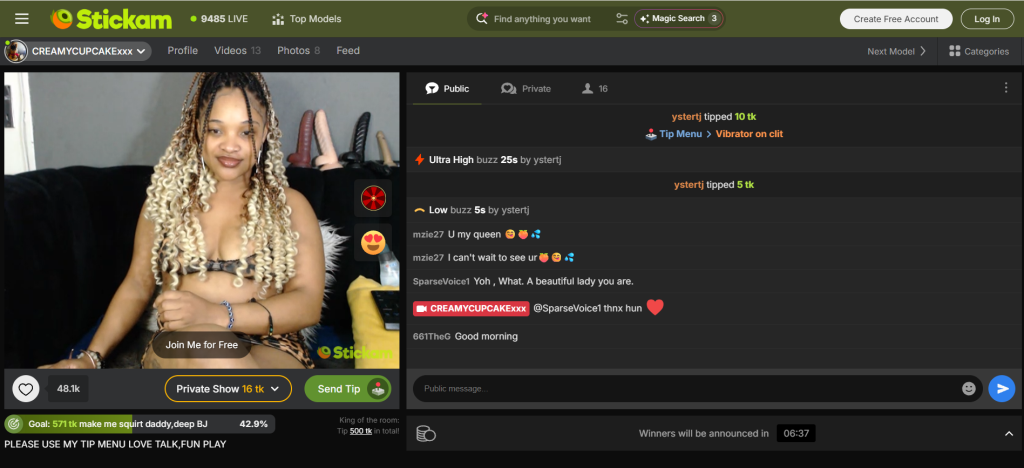
Stickam was a social webcam platform built around live broadcasting, video rooms, and community interaction.
The platform became known for combining webcam streaming with open chat-room culture. Instead of focusing only on random stranger matching, Stickam allowed users to build social spaces where people stayed longer and interacted more naturally.
That difference gave the platform a very different atmosphere from modern skip-based video chat apps. Conversations often felt slower, more community-driven, and more personal.
For many users, Stickam represented an early version of modern livestream culture before live social video became common across the internet.
How Stickam Worked
Stickam allowed users to create webcam-enabled rooms where visitors could watch broadcasts, interact through chat, and participate in live conversation.
Some rooms focused on casual social interaction. Others revolved around music, entertainment, webcam discussion, online friendships, or niche internet communities.
Unlike modern random video chat platforms, users usually spent more time inside one room instead of constantly skipping between strangers.
That structure created stronger room identity. Over time, regular visitors often recognized familiar usernames, broadcasters, and community personalities.
Why Stickam Felt Different From Random Video Chat
Stickam did not feel built around instant randomness. Instead, it leaned heavily into social presence and webcam community culture.
Platforms like Chatroulette or OmeTV focus on rapid stranger matching. Stickam, however, felt closer to a social hangout built around live video rooms.
That difference changed user behavior completely. People stayed longer, interacted with groups, and followed room personalities instead of simply chasing the next stranger match.
Meanwhile, users looking for live webcam communities with group interaction often preferred slower social energy over constant random skipping.
The Rise of Webcam Community Platforms
Before livestream culture exploded across modern apps, webcam community sites already created spaces where users could broadcast themselves online.
Stickam became part of that early wave. The platform helped normalize live webcam interaction, public video rooms, and online social broadcasting.
At the time, that experience felt new. Watching real people interact live through webcams created a stronger sense of presence than ordinary forums or text-only chat rooms.
As internet speeds improved, webcam culture grew quickly. Eventually, livestreaming evolved into a much larger industry across social media, gaming, entertainment, and creator platforms.
Key Features and Chat Tools
Stickam focused heavily on live room interaction.
Users could broadcast webcams, interact through chat windows, and participate inside group-style social rooms instead of isolated one-on-one conversations.
That room structure created more layered interaction. A person could watch the broadcaster, follow the room chat, and respond to ongoing group conversation at the same time.
Meanwhile, webcam streaming gave the platform more personality than ordinary anonymous messaging spaces.
Group Chat vs One-on-One Interaction
Stickam leaned more heavily into group energy than private stranger matching.
Modern random chat platforms often focus on one-on-one cam interaction. Stickam instead encouraged broader room participation where multiple users interacted together.
That created a more social atmosphere. Conversations flowed through groups instead of constantly restarting with each new stranger.
Meanwhile, users looking for online webcam rooms with live social interaction often preferred community energy over rapid random matching systems.
Is Stickam Safe and Legit?
Stickam operated as a real webcam community platform during its active years. However, like many early webcam communities, moderation and user behavior could vary significantly between rooms.
Open webcam spaces naturally attract many types of users. Some rooms felt social and entertaining, while others became chaotic or difficult to moderate.
Privacy awareness also mattered because webcam broadcasting reveals more personal information than text-only interaction.
Users exploring modern webcam communities should still protect personal details carefully during live interaction.
Privacy and User Protection
Webcam broadcasting always requires stronger privacy awareness.
Users should avoid sharing addresses, passwords, banking details, workplace information, or personal documents during live interaction.
Background details matter too. A camera can unintentionally expose schools, workplaces, locations, or personal identity clues.
Meanwhile, users should stay careful about emotional oversharing during livestream-style interaction because online communities can feel more personal over time.
Pricing and Free Access
Stickam became popular partly because webcam interaction felt accessible and community-driven.
Many webcam community platforms historically relied on free access supported through advertising, premium features, or broader platform ecosystems.
However, platform structures change over time. Users exploring modern alternatives should always verify current features, pricing systems, and access requirements directly.
User Experience on Mobile and Desktop
Stickam originally grew during a period when desktop webcam culture dominated online social interaction.
At the time, users often joined through larger desktop setups with webcams, microphones, and room-based interfaces.
Today, mobile-first platforms dominate much of the stranger-chat space. However, Stickam’s older community structure still feels more naturally suited to desktop-style social interaction.
Meanwhile, modern platforms now combine mobile usability with livestream-style interaction far more smoothly than earlier webcam sites could manage.
Pros and Cons
Stickam’s biggest strength was community atmosphere.
The platform created social webcam spaces where users interacted longer and built stronger room identity than modern skip-based stranger chat platforms.
In addition, group interaction made conversations feel more layered and entertaining than isolated one-on-one matching systems.
However, slower room culture may feel outdated to users who prefer instant random video chat and fast stranger discovery.
Moderation could also become difficult because large webcam communities naturally attract unpredictable user behavior.
Stickam vs Other Webcam Chat Platforms
Stickam competed more closely with webcam community and livestream-style platforms than with pure random video chat apps.
Platforms like Tinychat, Paltalk, FTF Live, Tango Live, and FaceFlow fit similar social webcam energy built around room interaction and live community participation.
Meanwhile, platforms like Chatroulette or OmeTV focus more heavily on instant one-on-one stranger matching instead of ongoing webcam communities.
That difference matters because the user intent changes completely. Webcam community users often want social presence and room interaction, while random-chat users usually want fast spontaneous matching.
Users looking for Stickam alternatives often search for live social video rooms, webcam communities, or livestream-style interaction that feels more community-driven than pure stranger skipping.
Comparison Table: Stickam
| Platform | Best For | Free Version / Pricing | Main Strength | Key Limitation |
|---|---|---|---|---|
| Stickam | Webcam community interaction | Platform status may vary historically | Strong social-room culture | Older interface structure |
| Tinychat | Public webcam group rooms | Free with optional upgrades | Live room interaction | Room quality may vary |
| Paltalk | Voice and webcam communities | Free access with premium features | Long-running social communities | Interface may feel crowded |
| FTF Live | Live social video interaction | Access may vary | Modern livestream-style energy | May not suit text-focused users |
| Tango Live | Creator-focused live streaming | Free with optional gifting systems | Interactive livestream culture | Heavy creator focus |
| FaceFlow | Group video conversation | Free access may be available | Multi-user webcam interaction | Simpler feature set |
| Livetolives | Live webcam social rooms | Access may vary | Social video-room atmosphere | Platform familiarity may vary |
| Rabbit | Shared social viewing and chat | Platform structure has changed over time | Community-style interaction | Availability may vary |
| Instacams | Adults looking for quick stranger-chat access | Access may vary by region or offer | Simple webcam entry point | Experience may depend on traffic quality |
| OmegleMe | Webcam stranger interaction | Access may vary | Fast random conversation | Less community-oriented |
Who Should Use Stickam?
Stickam would likely appeal to users who enjoy webcam communities, live room interaction, and slower social conversation.
The platform suited people who preferred staying inside group environments instead of constantly skipping through strangers.
Users interested in livestream culture, online communities, and webcam-based social spaces may appreciate the platform’s older internet atmosphere.
Meanwhile, people looking for quick random matching may prefer faster webcam platforms instead.
Who Should Avoid Stickam?
Stickam may not suit users who prefer rapid stranger matching and instant cam-to-cam interaction.
People looking for highly modern interfaces may also find older webcam community structures less appealing.
In addition, users uncomfortable with public-room interaction may prefer smaller one-on-one stranger-chat platforms.
Best Alternatives to Stickam
Different alternatives suit different social styles.
Tinychat may appeal to users who enjoy public webcam rooms with active group participation. Meanwhile, Paltalk fits users looking for long-running voice and webcam communities.
Users interested in modern livestream culture may prefer FTF Live or Tango Live because those platforms blend live interaction with creator-focused social energy.
Meanwhile, people who still enjoy social webcam chat rooms online may appreciate platforms that prioritize room identity over constant random matching.
Safety Tips for Using Webcam Communities
Before joining webcam communities, users should decide what information stays private.
A username should not reveal a full real name. Camera backgrounds should avoid exposing schools, workplaces, addresses, or personal documents.
Users should also stay careful about emotional oversharing inside long-running webcam communities because familiarity can create false trust.
Meanwhile, people exploring live video communities with strangers should leave uncomfortable rooms immediately instead of feeling pressured to stay.
FAQs: Stickam
What was Stickam?
Stickam was a webcam community platform built around live video rooms, social interaction, and group chat participation.
Did Stickam focus on random video chat?
Not primarily. The platform leaned more heavily into webcam communities and live room interaction.
How was Stickam different from Chatroulette?
Stickam focused more on ongoing social rooms, while Chatroulette emphasized instant stranger matching.
Did Stickam support webcam broadcasting?
Yes. Users could broadcast webcams and interact through live social rooms.
Was Stickam free?
The platform historically allowed broad user access, although structures may have changed over time.
Which platforms are similar to Stickam?
Tinychat, Paltalk, FTF Live, Tango Live, FaceFlow, and Livetolives fit similar webcam community energy.
Did Stickam have public chat rooms?
Yes. Group room interaction formed a major part of the platform experience.
Was Stickam more social than random chat apps?
Yes. Conversations often lasted longer because users stayed inside community-style rooms.
Can webcam communities feel safer than random matching?
Some users prefer room familiarity, although privacy awareness still matters heavily.
What should users avoid sharing online?
Users should avoid sharing addresses, passwords, workplace details, banking information, or personal documents.
Why did webcam community platforms become popular?
Live interaction created stronger social presence than text-only forums or message boards.
Did Stickam influence livestream culture?
Many early webcam platforms helped shape modern live social video culture online.
Are webcam communities still popular today?
Yes. Modern livestream and webcam platforms continue attracting large online communities.
What is the safest way to use webcam communities?
The safest approach is to protect privacy, avoid oversharing, and leave uncomfortable environments quickly.
What are good Stickam alternatives today?
Tinychat, Paltalk, FTF Live, Tango Live, FaceFlow, and Livetolives may suit users looking for similar webcam community interaction.
Final Verdict: Stickam
Stickam helped shape early webcam community culture by blending live broadcasting, social rooms, and online group interaction into one platform experience.
Its biggest strength was community energy. Instead of focusing purely on fast stranger matching, the platform encouraged longer interaction, recognizable room culture, and social webcam participation.
However, the slower room-based structure may feel outdated to users who now prefer modern random video chat apps and instant webcam matching.
Stickam still remains an important part of webcam chat history because it introduced many users to live social video interaction long before livestream culture became mainstream.