

Video Chat has transformed the way people communicate online, turning everyday conversations into real-time face-to-face moments that feel personal, immediate, and surprisingly close.



What once required expensive equipment or specialized software is now accessible in seconds. Click, connect, talk — that’s the entire flow. Whether someone wants to socialize, work, learn, or explore new connections, video chat offers the fastest and most dynamic path to real interaction.
This rise in real-time video communication isn’t just a trend. It’s now woven into how people maintain friendships, attend meetings, build relationships, collaborate remotely, or simply pass time online. The appeal is simple: seeing someone’s face makes everything more real. Facial expressions, tone of voice, body language — these subtle signals make online communication feel alive in a way text messaging never could.
This guide breaks down the entire Video Chat landscape. You’ll understand what it is, how it works, why it became so popular, and which features shape the user experience. Throughout the article, SneakyChats will be used as a practical example of how modern platforms streamline video chat — without overshadowing the main topic. From safety and privacy tips to alternatives, pros, cons, and future trends, this is the ultimate deep dive into the world of video-based communication.
What Is Video Chat?

Video Chat refers to real-time online communication where two or more people connect through webcams and microphones. Instead of typing messages or speaking over audio-only calls, video chat allows users to see each other as they talk. This combination of visual and auditory communication creates a richer, more natural interaction.
The format is used everywhere:
- Personal calls
- Business meetings
- Online classes
- Customer support
- Social networking
- Random chats with strangers
- Remote interviews
- Group hangouts
- Online events
The versatility of Video Chat makes it universal. You can communicate from a smartphone, a laptop, or even a tablet. All you need is a camera, a stable connection, and a platform that handles the video transmission.
Why Video Chat Feels Different
Three major reasons make Video Chat stand out:
- Visual cues
A facial expression can communicate more than a paragraph. - Instant feedback
No waiting for texts. No misinterpretation. Clear, live reactions. - Stronger connection
Seeing someone’s face naturally builds trust and comfort.
These elements combine into an experience that feels closer to real-world interaction.
Core Characteristics of Video Chat
Here are the defining traits of modern Video Chat platforms:
Real-Time Interaction
Live video communication lets people talk naturally without delays. It’s the closest experience to an in-person conversation.
Visual Engagement
Seeing someone’s face adds context. Emotions make sense. Reactions are instant. Confusion clears faster. And conversations flow better.
Multi-Device Support
Video Chat works on:
- Smartphones
- Laptops
- Tablets
- Desktop PCs
People can switch devices without losing functionality.
Accessibility
Most platforms require almost no technical skill. You click a button and you’re inside a call.
Versatility
Chat with friends, join a meeting, study, teach, host events, socialize, or explore random connections.
Ease of Use
Modern video chat platforms prioritize simplicity. A user shouldn’t need a manual before making a call.
The History and Evolution of Video Chat
The story of Video Chat is a fascinating one — from bulky hardware to instant web-based communication.
Early Experiments (1960s–1990s)
Video communication began in large corporations and government institutions. These systems were expensive, slow, and limited to specialized environments.
The Consumer Wave (1990s)
Platforms like CU-SeeMe and early PC-based tools introduced consumers to video communication. The quality was low, but the concept was groundbreaking.
The Skype Era (2003–2010)
Skype changed everything.
It made video chat free, accessible, and easy for millions of people. Cross-platform compatibility and simple onboarding set the new standard.
Mobile Revolution (2010s)
Smartphones brought it to the pocket. Apps like FaceTime, WhatsApp Video, and Google Meet made live video communication universal.
Random Video Chat Platforms
Another branch emerged: fast, anonymous, random video chat. Platforms like Omegle popularized this trend. Today, modern sites like SneakyChats continue this style with improved stability, safety tools, and better matching.
Modern Enhancements
Today’s Video Chat includes:
- HD video
- Screen sharing
- Virtual backgrounds
- End-to-end encryption
- Multi-user rooms
- Noise suppression
- Low latency
- Browser-based calling
The evolution is ongoing — and video chat only keeps improving.
Features of Video Chat
Most platforms share a standard set of features. Below is a detailed breakdown of what defines a modern Video Chat system.
Real-Time Video Communication
The foundational element. High-quality video allows people to talk naturally, see each other’s reactions, and read non-verbal signals.
Multi-Device Compatibility
Whether you’re on Windows, Android, macOS, or iOS — most Video Chat services adapt.
Screen Sharing
A popular feature in business and education settings. It allows users to:
- Present documents
- Demonstrate software
- Share slides
- Collaborate visually
Virtual Backgrounds
These mask your environment. Perfect for privacy or a clean, professional look during meetings.
Group Calls & Webinars
Modern platforms can host:
- 1-on-1 calls
- Team meetings
- Online classrooms
- Webinars with large audiences
End-to-End Encryption
Security is a major priority. Encryption ensures conversations stay private.
User Control Tools
Such as:
- Mute
- Disable video
- Lock meeting
- Kick/ban participants
- Reporting functions
These tools make the experience more manageable and safe.
How Video Chat Works
Here is a practical breakdown of how the Video Chat flow typically works, with SneakyChats included subtly as one of the examples — not the core topic.
Step 1: Choose Your Mode
Users select the video chat option on the platform they’re using.
On SneakyChats, this might mean entering the live chat section or selecting a category that suits their interest.
Step 2: Confirm Age & Basic Guidelines
Most platforms restrict video chat to adults. Users confirm that they are 18+ and agree to general rules like avoiding harassment and illegal behavior.
Step 3: Camera and Sound Setup
The system checks the webcam and microphone. Users adjust:
- Lighting
- Volume
- Camera angle
- Background
Step 4: Stay Anonymous If You Prefer
Many video chat platforms — including SneakyChats — allow users to remain anonymous by using nicknames instead of real names.
Step 5: Connect With Someone
Once the user clicks “Start,” the platform begins searching for a match.
SneakyChats connects users instantly to others who are also online.
Step 6: Talk Naturally
People chat, react, laugh, text, or simply observe each other’s expressions.
If it feels right, the conversation continues.
Step 7: Use “Next” Anytime
If the vibe is off, the user taps “Next” and the search restarts immediately.
This provides freedom and flexibility.
Step 8: Continue as Long as You Want
Users can connect with multiple people in one session — across different cities, countries, and backgrounds.
The Benefit of Simplicity
Platforms like SneakyChats make the process fast and easy, reducing the friction that used to make video communication complicated.
User Base: Who Uses Video Chat?
Video Chat is universal. The audience is extremely broad.
Everyday People
Those catching up with family or friends, especially across long distances.
Professionals
Teams working remotely. Managers hosting virtual meetings. Clients receiving customer support.
Students
Online classes, tutoring, study groups, remote learning.
Explorers
Users on platforms like SneakyChats who want to meet new people, socialize, or talk to strangers in real time.
Creatives
Musicians, artists, and content creators who collaborate over video.
Introverts and Socially Anxious Users
People who feel safer expressing themselves through a controlled digital environment.
People in Rural or Isolated Areas
Where physical access to social spaces is limited.
Video Chat doesn’t favor one group. It empowers everyone.
Advantages of Video Chat
1. Real-Time Human Connection
Seeing someone’s face enhances the emotional depth of a conversation.
2. More Engaging Than Text
No need to interpret tone through messages. Everything is upfront and clear.
3. Flexible Communication
Used for:
- Work
- School
- Friendships
- Dating
- Random chats
4. Wide Accessibility
Works on phones, laptops, and tablets.
5. Collaborative Tools
Screen sharing, file sharing, and shared workspaces improve teamwork.
6. Saves Time and Money
No travel needed for meetings, calls, or socializing.
7. Freedom of Choice
Users can end calls at any moment, especially on random chat platforms like SneakyChats.
Disadvantages of Video Chat
1. Technical Requirements
Needs a stable internet connection and a camera.
2. Privacy Concerns
Some users worry about being recorded or seen unexpectedly.
3. Background Distractions
Messy rooms, people walking behind, poor lighting — all can affect communication.
4. Emotional Fatigue
Long sessions can feel draining due to constant screen focus.
5. Occasional Glitches
Lag, audio drops, blurry video — common issues depending on connection.
These downsides are manageable but important to understand.
Safety and Privacy in Video Chat
Video Chat requires responsibility. Here are essential safety considerations:
End-to-End Encryption
Protects data during transmission.
User Authentication
Some platforms require verification to prevent impersonation.
Moderation Tools
Reporting, blocking, and filtering options help users maintain control.
Privacy Controls
You can decide who can call, join, or view your video.
Data Protection Policies
Good platforms explain how they handle personal data.
User Best Practices
- Avoid sharing personal info
- Use a clean, neutral background
- Keep your camera off until ready
- Trust your feelings — if someone seems off, end the session
Safety is a shared responsibility.
Alternatives to Video Chat
While Video Chat is powerful, alternatives exist:
Text Chat
Good for privacy or low bandwidth.
Voice Calls
Keeps communication real without a camera.
Online Forums
Slower but organized communication.
Best for formal, long-form messaging.
Social Messaging Apps
WhatsApp, Telegram, Messenger — great for mixed-media conversation.
Random Chat Without Video
Anonymous, text-only interactions.
Each alternative has strengths, but none provide the same real-time depth as Video Chat.
Hypothetical User Stories: How People Use Video Chat
The Remote Worker
He attends team meetings, hosts client calls, and leads presentations — all through video chat.
The Student
She learns remotely, attends virtual seminars, and collaborates on group projects.
The Traveler
He uses video chat to stay connected with family abroad.
The Social Explorer
She uses SneakyChats to meet new people instantly, enjoying spontaneous connections around the world.
The Introvert
He video chats because it gives him control, comfort, and an easy exit if things get overwhelming.
These stories show the flexibility and emotional range of video communication.
FAQs
1. What do I need to use a cam-based communication platform?
A device with a camera, a working microphone, and a stable internet connection is enough to get started.
2. Do I have to register before joining?
Some platforms require a quick signup, while others allow instant access without an account.
3. Can I stay anonymous while talking to people online?
Yes. Users can hide personal details, use nicknames, and control what is visible on screen.
4. Why does the picture sometimes freeze or lag?
Weak connections, outdated devices, or too many background apps can affect performance.
5. Can I disable my camera and only use audio?
Absolutely. Many platforms let users turn off their camera until they feel comfortable.
6. Are these platforms safe?
Reputable services include encryption, reporting tools, and privacy settings to protect users.
7. Can strangers find out who I am?
Not unless you reveal your identity. Keeping personal information private maintains safety.
8. Are there any costs involved?
Most services are free, while optional upgrades provide extra features or filters.
9. How do group sessions work?
Multiple people can join the same call, choose layout styles, and interact together in one room.
10. Can I block someone who is making me uncomfortable?
Yes. Every good platform offers block and report tools to remove problematic users.
11. Do platforms save my conversations?
Most do not store calls unless recording is intentionally activated. Check the privacy policy to be sure.
12. Can I use backgrounds or effects during calls?
Many modern platforms offer virtual backgrounds, blur options, and fun filters.
13. What makes this type of communication so popular?
People enjoy seeing facial expressions, reactions, and real-time interaction instead of relying only on text.
14. Does this work on all devices?
Yes. Phones, tablets, and laptops are all supported as long as they meet basic performance requirements.
15. What features should users look for?
Clear audio, smooth visuals, easy navigation, privacy controls, and fast connections create a better overall experience.
Final Verdict: Why Video Chat Remains Essential
Video Chat remains one of the most versatile and powerful online communication tools today, offering a blend of face-to-face connection, convenience, and emotional clarity that text or audio alone can’t match. Whether someone wants to study, collaborate, meet strangers, reconnect with friends, or work remotely, live video communication provides the most natural digital experience.
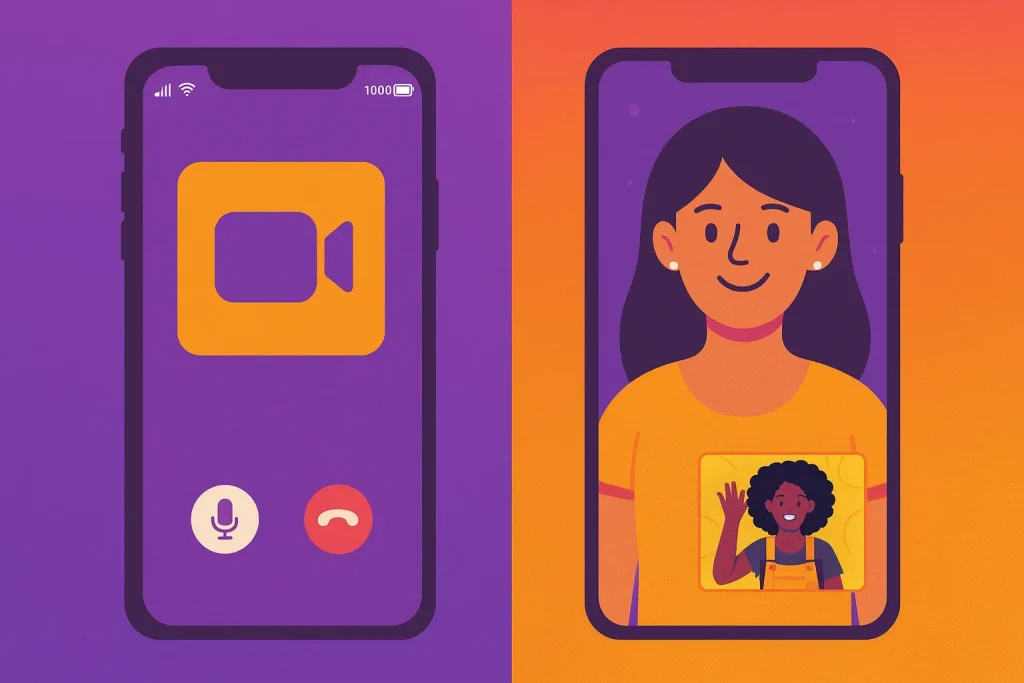
Platforms like SneakyChats show how modern Video Chat can be simple, fast, flexible, and user-friendly, especially when people just want to talk naturally without jumping through complicated steps.
As technology evolves — with better cameras, faster networks, and smarter software — Video Chat will only become more immersive, more stable, and more important in daily life. For anyone exploring communication options, looking to connect with new people, or wanting a real-time conversation that feels human, Video Chat remains a powerful and reliable choice.
And with the right mindset and privacy awareness, anyone can enjoy meaningful, safe, and rewarding interactions.